Living costs in Queensland have continued to rise, and electricity bills are one of the biggest concerns for many h...
Feb 02, 2026

Jan 14, 2026
Share post on


Electricity prices across Australia have continued to rise in 2025-26, and many households are feeling the pressure.
Power bills are higher, feed-in tariffs for solar exports are lower, and blackouts are becoming more common in some areas. Because of this, more homeowners are now looking beyond solar panels alone and considering home batteries.
A home battery lets you store the extra solar power your panels produce during the day and use it later at night, when electricity from the grid is most expensive. This is why interest in batteries has grown so quickly.
The cheaper home battery program update is a federal initiative designed to make home batteries more affordable for Australian households.
From 1 May 2026, some important changes came into effect, making the rebate clearer and easier to plan around. In this guide, we’ll explain what’s changed, who benefits the most, and how much you could realistically save.
The Cheaper Home Batteries Program is a federal home battery rebate that helps Australian homeowners reduce the upfront cost of installing a home battery. It applies to batteries connected to new or existing solar systems and is available nationwide.
Instead of giving cash directly to homeowners, the program lowers the price of eligible batteries through a government-funded discount. This discount is usually applied by approved retailers or installers at the time of purchase, or shortly after installation.
This program is different from older state-only schemes. It works nationally and is designed to support more households over a longer period. It’s important to understand that this is a home battery rebate Australia-wide, not a free battery offer.
Before 2026, many homeowners found battery rebates confusing. Support was limited, and federal and state rebates didn’t always work well together. The size of the discount could also change without much notice, which made it hard to plan a battery purchase.
The cheaper home battery program update, introduced on 1 May 2026, addressed these issues.
The rebate system is now more structured and predictable. Discounts are better aligned with standard household battery sizes, so typical homes benefit the most. The program is also designed to gradually reduce over time as battery prices come down, rather than end suddenly.
For homeowners, this is good news. It’s now easier to understand how much support you may receive, easier to plan your budget, and easier to decide when to install a battery.
The Cheaper Home Batteries Program is designed to be simple for homeowners. You don’t need to apply directly to the government in most cases.
First, your home is assessed to see if a battery is suitable. It includes looking at your electricity use, your existing solar system, and how much energy you use at night. Next, you choose a battery size that matches your needs.
Once eligibility is confirmed, the federal home battery rebate is applied. In many cases, this is included in the upfront price through your installer.
The Cheaper Home Batteries Program is useful for many Australian households, but some homes benefit more than others.
If you already have solar panels and receive low feed-in tariff payments, a battery can make a big difference. Instead of exporting excess solar to the grid for a small return, you can store that energy and use it later in the evening when electricity is more expensive.
Families with high nighttime power use also benefit strongly. It includes homes that run air conditioning, heating, cooking appliances, or entertainment systems after sunset. A battery helps reduce the amount of power you need to buy from the grid during peak hours.
The Australian Government is supporting home batteries because they help the electricity system work better for everyone.
When more households store solar energy and use it later, it reduces pressure on the grid during peak times, especially in the evening and during heatwaves. This helps lower the risk of outages and makes the power system more stable.
Home batteries also support renewable energy. Instead of wasting excess solar power during the day, batteries store it for use when needed.
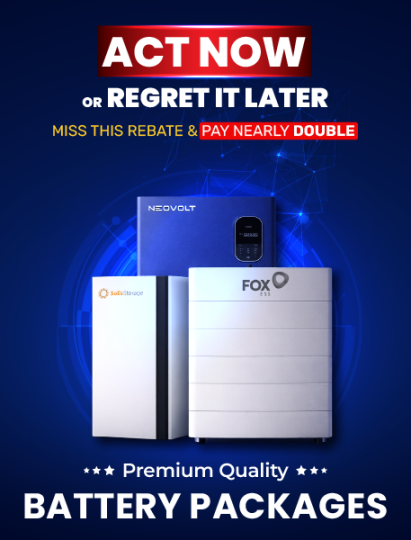
For many homeowners, 2026 is a critical time to think about installing a battery. While battery prices are slowly coming down, rebates and incentives are also regularly reviewed and may be reduced over time. Waiting too long may mean missing out on higher support available now under the cheaper home battery program update.
Battery demand is also growing across Australia. More people are installing batteries to deal with rising power bills and lower feed-in tariffs. As a result, wait times for installation can increase, especially during busy periods.
At the same time, exporting solar power to the grid is becoming less rewarding. Using your own solar energy in a battery is often more valuable than selling it back to the grid. For many homes, this makes a battery a smart long-term decision, not just a short-term upgrade.

Before installing a battery, it’s important to understand a few key points about eligibility and quality.
Not every home or battery system qualifies for the rebate. Eligibility depends on factors like your property type, the size of the battery, and whether the system meets program requirements. Only approved batteries and equipment are eligible under the scheme.
Installation quality matters just as much as the rebate itself. A poorly designed or installed system may not deliver the savings you expect, even with a discount. This is why using an approved installer is important.
Choosing a NETCC-approved retailer helps ensure your battery system is safe, compliant, and designed to suit your home. A trusted provider will also explain your options clearly and help you avoid mistakes that could limit long-term savings.
Savings depend on your energy use, battery size, and the amount of solar power you generate. Many homes see a noticeable drop in evening electricity bills because they rely less on grid power.
In some cases, yes. It depends on your state’s rules and whether the programs can be used together. A qualified installer can help check this for you.
Yes. The program is designed for batteries connected to a solar system, either existing or installed at the same time.
It depends on your daily electricity use and solar output. Bigger isn’t always better. The right size gives the best value.
Most home battery installations are completed within one to two days.
It depends on how your installer applies the discount. In many cases, it’s taken off the price upfront.

Living costs in Queensland have continued to rise, and electricity bills are one of the biggest concerns for many h...
Feb 02, 2026

Electricity prices in Australia continue to rise, and many households are seeking ways to reduce costs and remain i...
Oct 14, 2025

From 1 July 2025, the Australian Energy Regulator (AER) confirmed another rise in
Oct 01, 2025

Rebate Reduction Starts
1st May 2026 – Don’t Miss Out