Recognised by SunWiz Australia’s Top 5
Zip Solar is a NETCC Approved Seller, has sold over 110,000+ solar panels and 38,000kWh of battery, and backs its systems with 25–30 year panel warranties and 10-year inverter and battery warranties.
Canberra gets bright summer days and cold winters, and more of the average home's energy use is shifting to electricity for heating, hot water and transport. A solar system sized for that pattern buys you less power from the grid.
Zip Solar designs residential and commercial systems around your electricity use, roof and budget. Panels now, a battery later, or both together.
Trust points:
NETCC Approved Seller
Installation by appropriately licensed and SAA-accredited professionals
25–30 year panel warranties, 10-year inverter and battery warranties
Recognised by SunWiz Australia’s Top 5

Product Review 2025 - 26 Winner

Officially Approved by NETCC
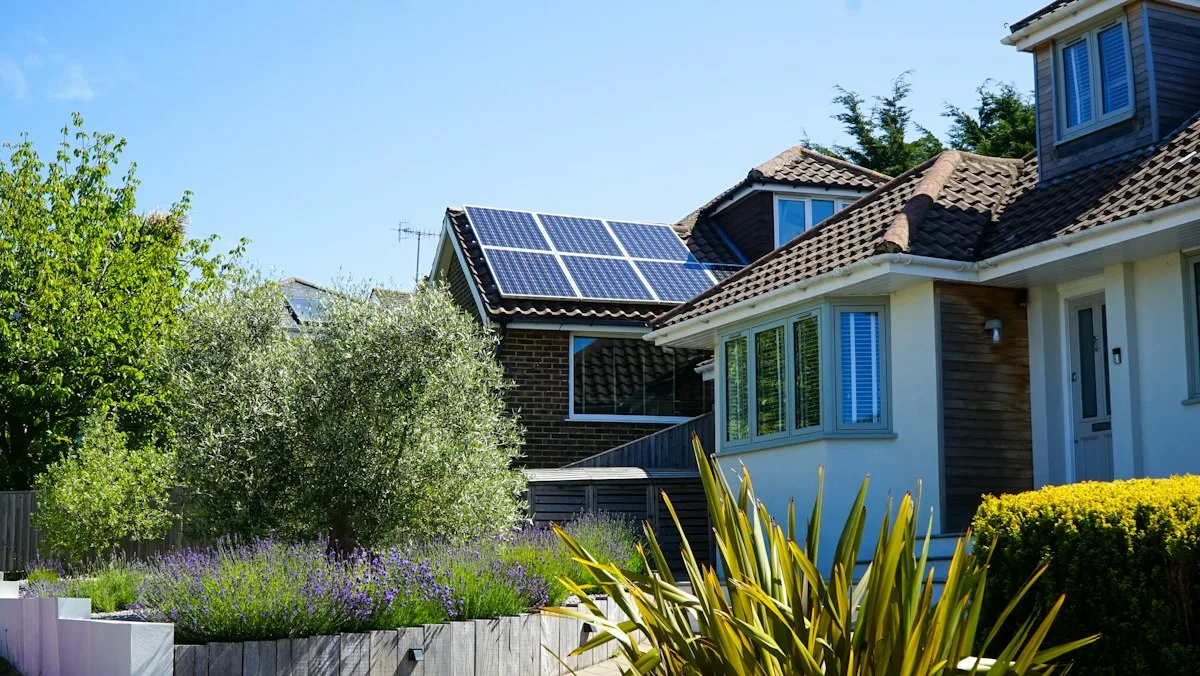
Solar panels generate throughout the year, but Canberra's pattern differs from warmer capitals. Winter days are shorter, households often use more electricity for heating, and mature trees cast longer shadows when the sun sits lower. In summer, air conditioning, pool equipment and EV charging can push demand the other way.
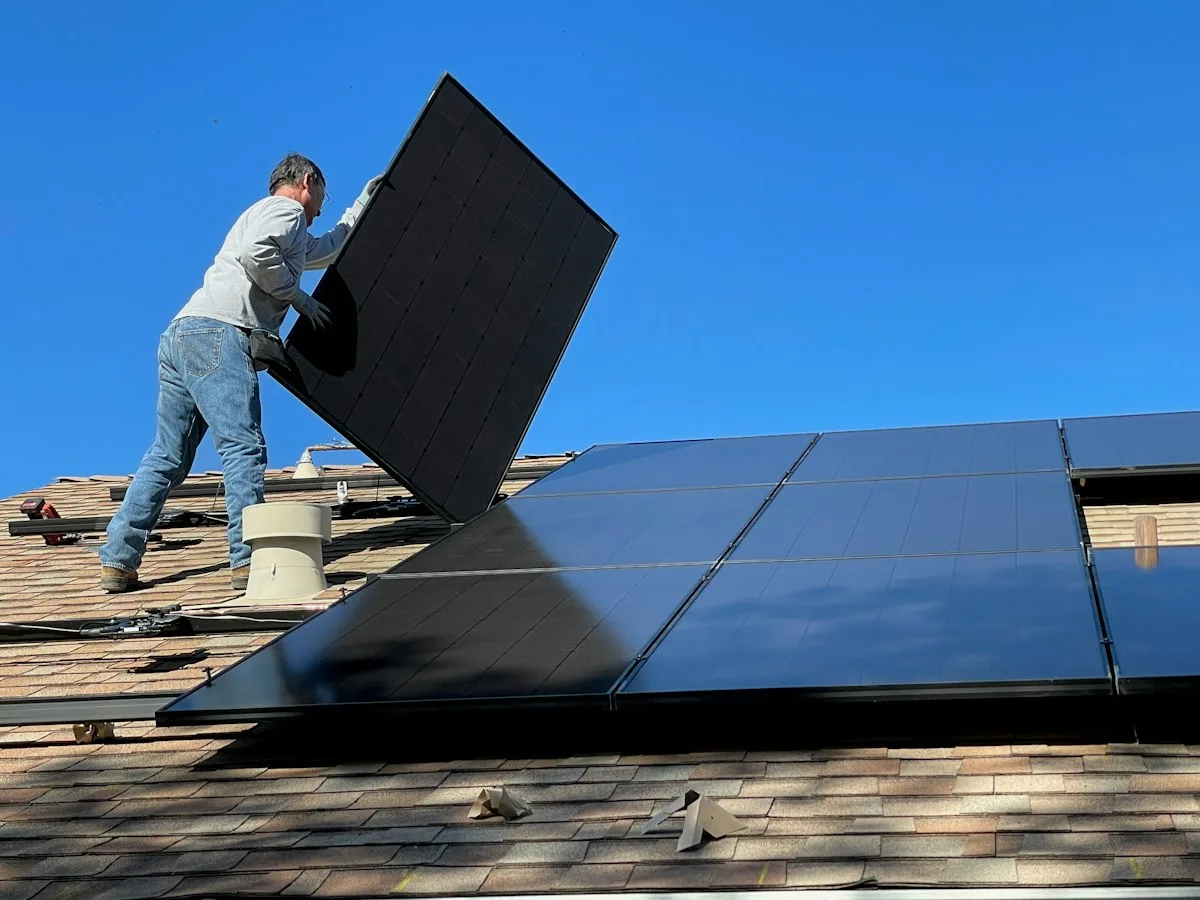
That's why design matters more than panel count. The goal is to produce electricity when your property actually needs it, and to leave room for changes such as an EV, heat pump hot water, induction cooking or a battery.
A properly planned system can help you:
Reduce the electricity you buy during daylight hours
Run appliances, heating or cooling from your own generation
Prepare for future electrification and EV charging
Store excess generation for evening use with a compatible battery
Monitor production and household consumption through an app
The ACT Government notes that using solar electricity during the day reduces grid purchases, and that a battery can store excess generation for later use. Its Canberra solar page includes a calculator and links to household support programs.
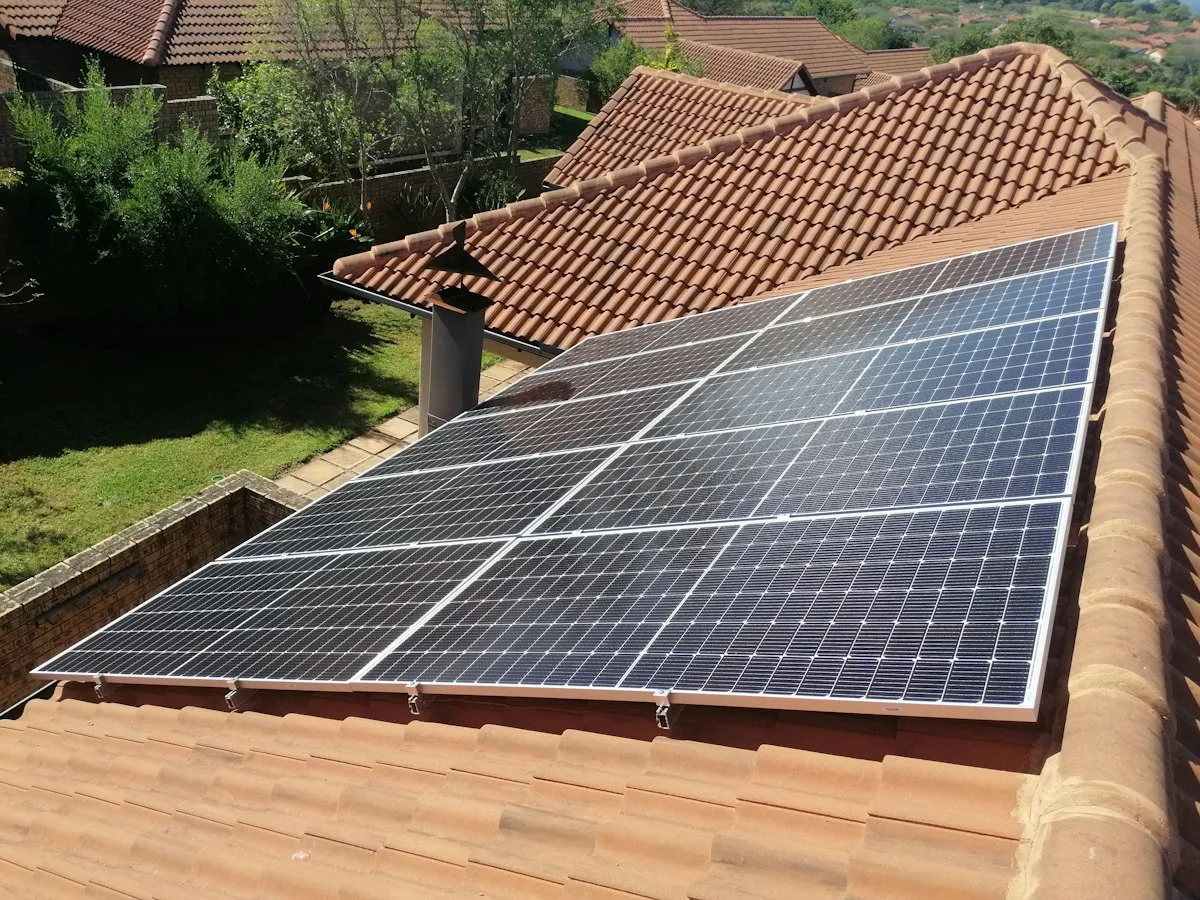
Two Canberra homes with similar roof areas can need different systems. Before recommending a size, we look at:
Your electricity profile. Recent bills show annual consumption, but interval data is more useful. It shows when you use power and separates daytime loads from evening demand.
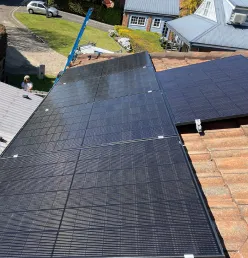
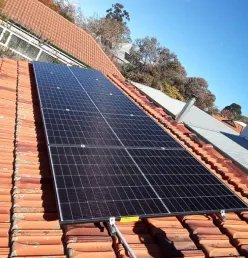
Roof direction, pitch and usable area. North-facing panels support strong annual production. East and west arrays spread generation across morning and afternoon, which can suit some households and workplaces better.
Shade through the seasons. Trees, neighbouring buildings, chimneys and roof features affect different parts of an array at different times of year. Winter shade needs particular attention because the sun sits lower.
Current and future appliances. A system sized only from today's bill can be too small once you add reverse-cycle heating, electric hot water, an EV or other major loads.
Network and switchboard requirements. Connection arrangement, phase supply, inverter capacity and export settings affect the final design. These should be checked before installation, not discovered on the day.
Zip Solar's residential systems come in common sizes for different household needs. The right one depends on usable roof space, daytime consumption and planned electrical upgrades.
| System size | Often considered for | Indicative average daily generation* |
|---|---|---|
| 6.6kW solar system | Smaller to mid-sized households with regular daytime use | About 24 to 29 kWh |
| 10kW solar system | Larger households, electric heating, pool equipment or planned EV charging | About 36 to 44 kWh |
| 13kW solar system | High-use homes, larger roofs or solar-and-battery planning | About 47 to 59 kWh |
*Planning range only. Output changes with panel capacity, orientation, pitch, shade, temperature, equipment, losses, weather and export controls. Seasonal output varies substantially. Ask for a site-specific estimate rather than treating this table as a performance guarantee.
See our full 6.6kW, 10kW and 13kW solar system pages for output and battery-ready options.
A note on winter output
Cold doesn't stop solar panels working. They can run efficiently in cool temperatures. Total winter output is usually lower simply because days are shorter and the sun sits lower, so a monthly production estimate is more useful than a single annual daily average.
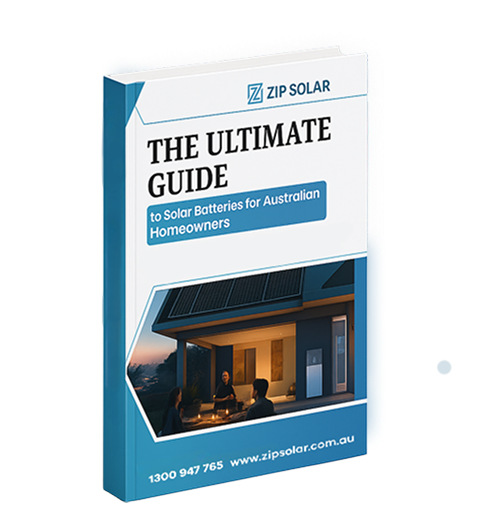
We get it - solar batteries are a big investment. And with so much confusing information out there, it’s hard to know who to trust, what you actually need, or if it’s even worth it.
That’s exactly why we created this Solar Battery Guide - just for you, to give you clear answers, real savings insights, and the confidence to make the right choice — without any sales pressure.
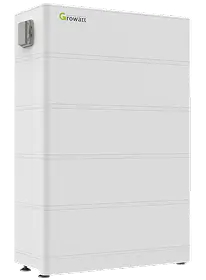
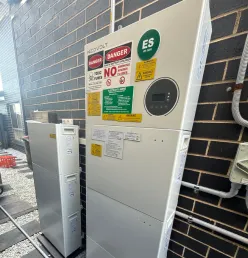
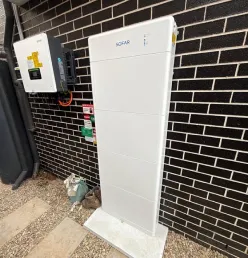
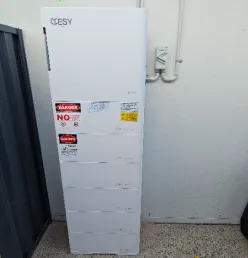
A battery stores electricity that would otherwise be exported, so you can use it later. This suits households with low daytime use and higher evening demand, but size it from actual energy flows rather than picking a headline capacity.
When comparing battery options, look at:
Usable capacity, not just the nameplate figure
Continuous and peak power output
Compatibility with the existing or proposed inverter
Backup circuits, and whether backup equipment is included
Warranty conditions, operating limits and expected cycling
Installation position, clearances and protection requirements
Monitoring, software support and local service arrangements
Solar panels alone don't normally keep a standard grid-connected home powered during an outage. Backup needs compatible equipment, compliant isolation and a system designed for it. Ask for the backup loads and operating limits to be written into your proposal.

Programs change, so eligibility should be checked when a quote is prepared. As of September 2026, the programs to review are:
Eligible rooftop solar installations create STCs under the Australian Government's Small-scale Renewable Energy Scheme. You commonly assign the certificates to an agent for an upfront discount; the final value depends on the eligible system and the certificate market.
The Australian Government has funded around a 30% discount on eligible small-scale battery systems connected to new or existing rooftop solar since 1 July 2025, provided through a retailer or installer. The discount calculation changed on 1 May 2026 and now steps down every six months rather than annually.
Eligible concession card holders (Pensioner Concession Card, DVA Gold Card or Health Care Card) may qualify for a rebate of 50% of installation cost, up to $2,500, toward rooftop solar, plus a separate rebate on the same terms for products such as reverse-cycle heating or hot water.
Eligible concession card holders (Pensioner Concession Card, DVA Gold Card or Health Care Card) may qualify for a rebate of 50% of installation cost, up to $2,500, toward rooftop solar, plus a separate rebate on the same terms for products such as reverse-cycle heating or hot water.
Your electricity retailer may credit eligible solar exports. Rates and conditions vary, so compare the export credit alongside usage charges, daily supply charges and time-of-use periods. Energy Made Easy is the Australian Government's plan comparison service.
Important: incentives, loan terms and retailer tariffs can change, and approval isn't guaranteed. Confirm eligibility and the amount applied to your quote before signing.
Good installation starts with a clear design and finishes with a handover that explains how the system works.
1
We assess recent bills, interval data where available, and any planned electrical upgrades.
2
We check usable roof area, orientation, pitch, shade, access and the switchboard.
3
You get the proposed panel and inverter models, layout, expected production, warranties, price and key assumptions.
4
We organise the required network and metering steps for the approved design.
5
Appropriately licensed and accredited professionals install, test and commission the system.
6
You get operating guidance, warranty information and help connecting the monitoring platform.
Planning panels and storage together? Compare our solar and battery packages during the design stage; it helps avoid equipment compatibility problems later.
Offices, workshops, warehouses, retail premises, community organisations and other facilities benefit when their electricity use overlaps with solar production. Commercial design starts with interval data, operating hours, roof access, demand charges and any planned business growth.
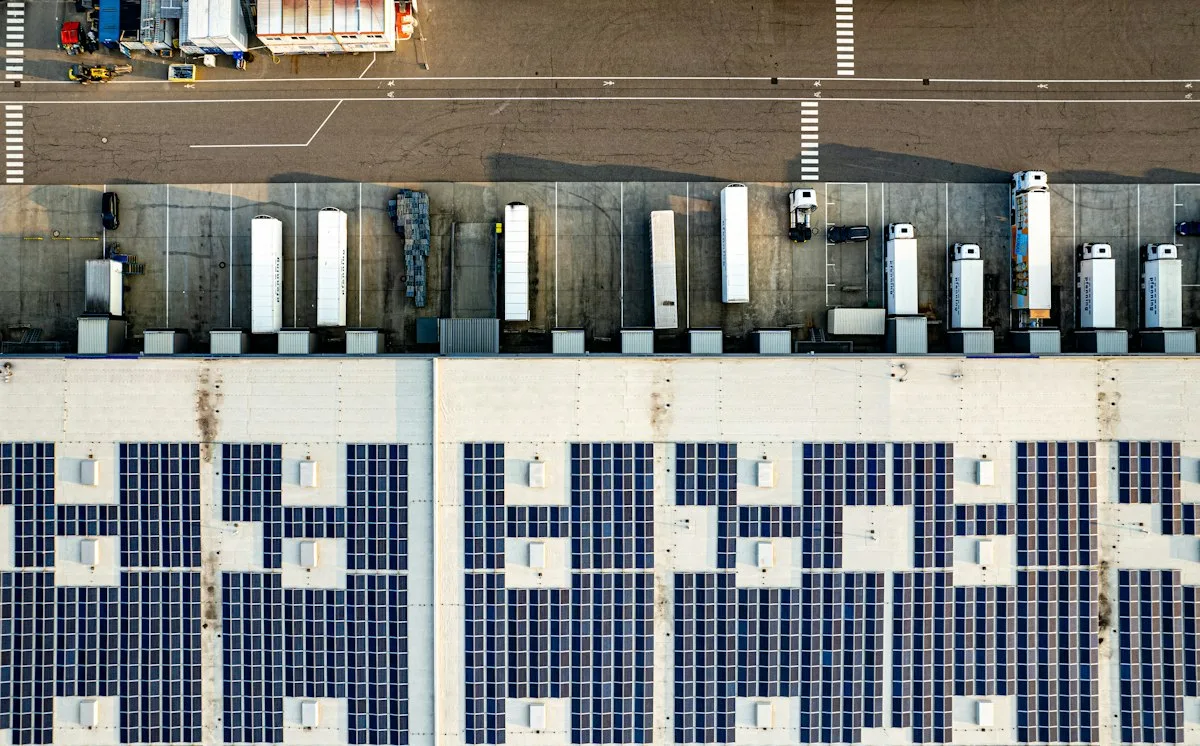
Zip Solar's commercial systems cover options from 20kW for smaller premises through 30kW up to 50kW for larger energy users. A commercial proposal should clearly show:
The load profile used in the analysis
Estimated self-consumption and exports
The proposed roof layout and equipment
Annual production assumptions
Network and metering requirements
Indicative financial outcomes with stated tariff assumptions
Monitoring, maintenance and warranty responsibilities
Don't judge a business system only by its total panel capacity. The most useful design fits the site's operating pattern and constraints.
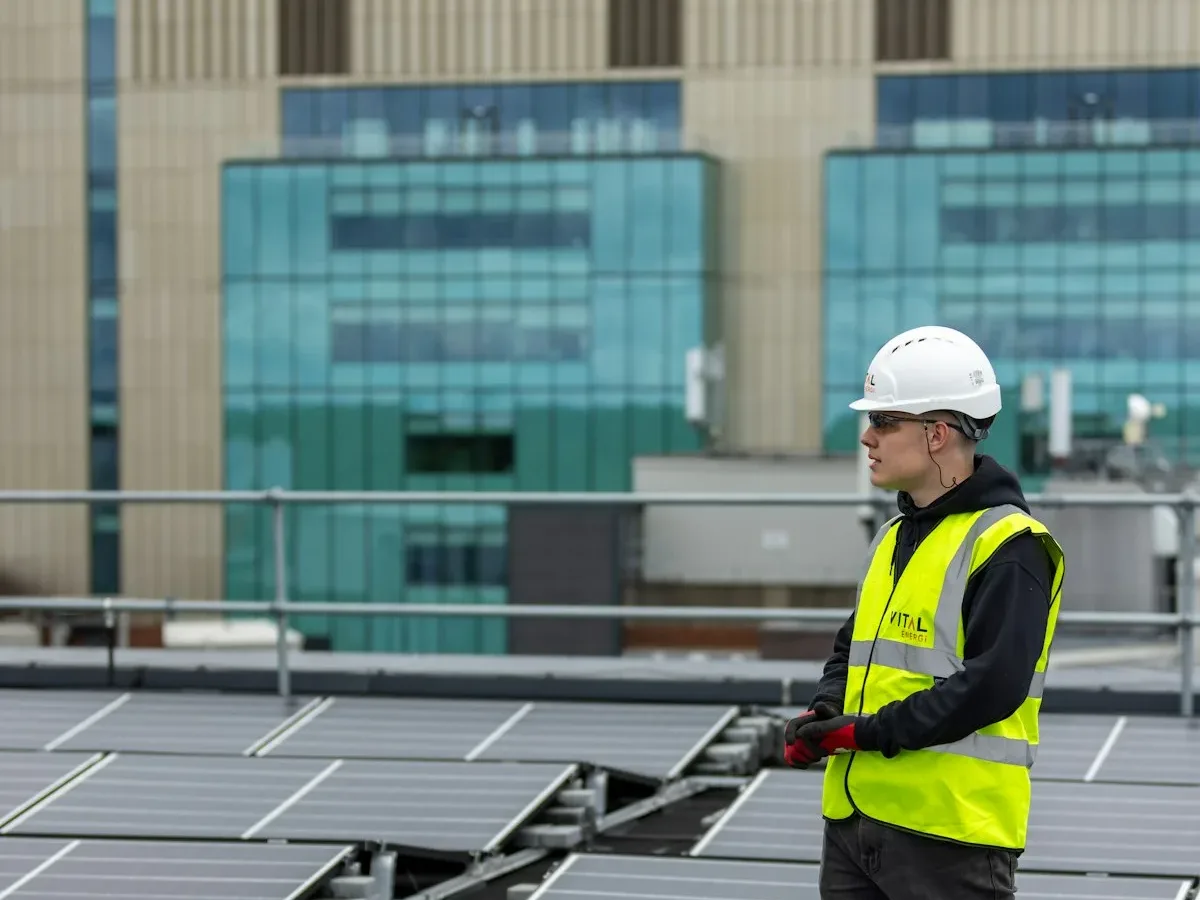
NETCC Approved Seller: clear consumer standards apply to sales, quotations and service
Tailored design, based on your property and energy use rather than a one-size package
Established product range. Panels, inverters, batteries and monitoring are compared on compatibility and support, backed by 25–30 year panel warranties and 10-year inverter and battery warranties
End-to-end coordination across design, documentation, installation, commissioning and handover
Ongoing support: a contact point for monitoring, warranties and post-installation questions
Learn more about Zip Solar or contact the team about your property.
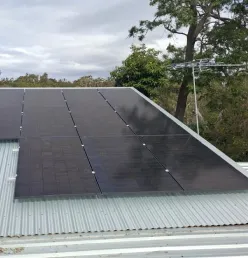
QLD 4184
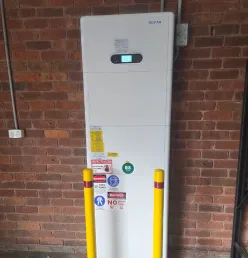
VIC 3106
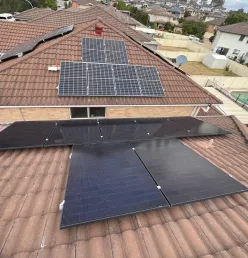
NSW 2567
NSW 2762
NSW 2765
NSW 2154
WA 6100
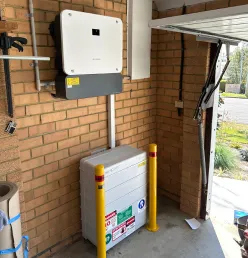
NSW 2261
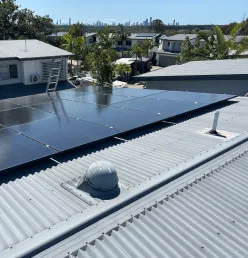
QLD 4006
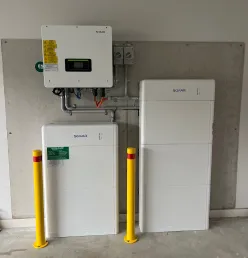
NSW 2137
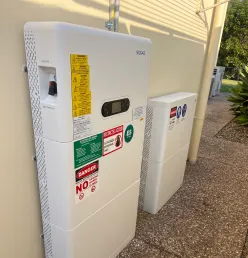
QLD 4214
QLD 4560
QLD 4560
QLD 4214
NSW 2137
QLD 4006
NSW 2261
WA 6100
NSW 2154
NSW 2765
NSW 2762
NSW 2567
VIC 3106
QLD 4184

Solar Panels Sold

5-Star Reviews

Trusted by
Over Households

Solar Batteries Sold


















It can be. Canberra has useful solar conditions, and many households also carry substantial heating, cooling and electrification loads. The result depends on system cost, roof conditions, electricity tariffs and how much of the solar power you use on site.
There's no standard size for every home. Recent consumption, daytime demand, roof space, shade, phase supply and plans for heating, hot water, a battery or an EV all factor in.
Yes. Solar panels still generate in cold weather. Total winter production is usually lower because days are shorter and the sun is lower, so monthly estimates are more useful than one annual daily average.
Eligible systems may receive an upfront benefit through STCs. Federal battery support and ACT programs may also apply, depending on the product and your eligibility. Check current program rules before signing a contract.
The general scheme currently covers household batteries but not standard rooftop solar for most applicants. Eligible concession card holders may have separate solar support through the Home Energy Support Program.
Only if the system includes compatible backup equipment and is designed and wired for backup operation. Ask which circuits stay powered, for how long, and at what maximum load.
Possibly. Roof ownership, body corporate approval, metering and connection arrangements need checking. Shared or embedded network properties can need a different design and approval process.
Savings depend on the electricity your system produces, how much you use directly, export credits, retail tariffs and finance costs. A quote should show its assumptions and give a range rather than a guaranteed dollar figure.
The physical installation can be quick for a straightforward home, but the full timeline also includes design, approvals, equipment availability, scheduling, inspection and metering.
Compare the exact equipment, layout, expected monthly generation, exclusions, warranties, installer credentials, network assumptions and after-sales support. A lower price means little if the proposed scope is different.
Installation is carried out by appropriately licensed and SAA-accredited professionals. Ask any installer for their licence details and Clean Energy Council accreditation before signing a contract.
General disclaimer: estimated generation, savings and payback are indicative only. Actual results vary with location, weather, roof orientation, tilt, shade, equipment, system losses, electricity use, tariffs, export limits and maintenance. Rebates, finance, product availability and eligibility criteria can change.

Massive Price Drop Offer Ends
15 Oct 2026 – Don’t Miss Out